Foreign Flag Vessel Age Limits in India – DGS 01/2026 Rules

Understand the Foreign Flag Vessel Age Limit in India under DGS 01/2026, including entry conditions, vessel categories, and compliance requirements.

Understand the Foreign Flag Vessel Age Limit in India under DGS 01/2026, including entry conditions, vessel categories, and compliance requirements.
India has long been one of the world’s largest suppliers of maritime manpower. To understand how this workforce has evolved over time, the Directorate General of Shipping (DGS) issued Circular 06 of 2026, presenting official statistics on the engagement of Indian seafarers on Indian-flag and foreign-flag merchant ships from 2010 to 2025. This blog analyses … Read more
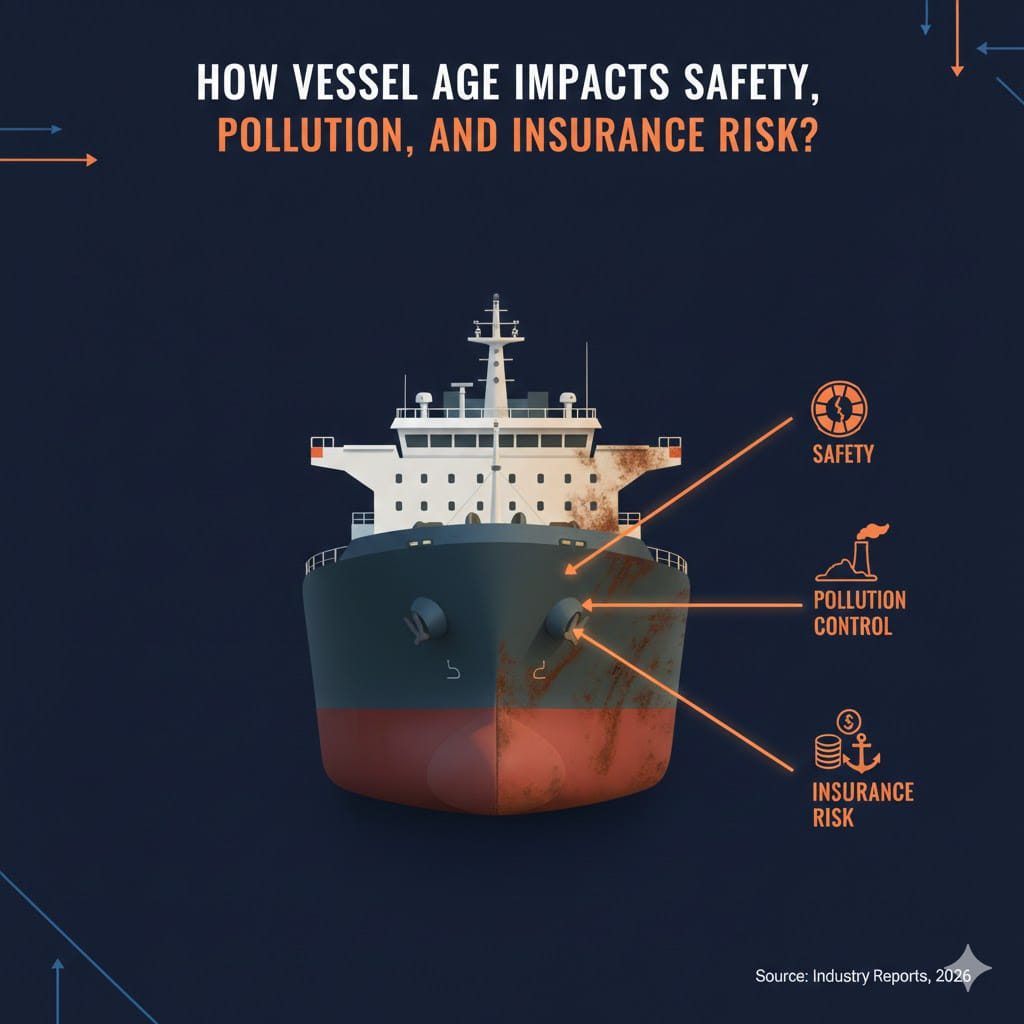
Vessel age plays a key role in deciding safety levels, pollution control efforts, and insurance risks for ships operating under the Indian flag or needing licenses. According to DGS Order No. 01 of 2026, strict age norms ensure quality tonnage, reducing accidents and emissions while keeping insurance costs in check. This order from the Directorate … Read more
India phases out older ships to cut accident risks and boost global competitiveness. Older vessels often lack updated tech for collision avoidance or fire suppression, leading to incidents like oil spills. The policy logic ties directly to India’s Maritime India Vision 2047, prioritizing safety over short-term costs. Economic reasons stand out, too. Maintaining rusty hulls … Read more
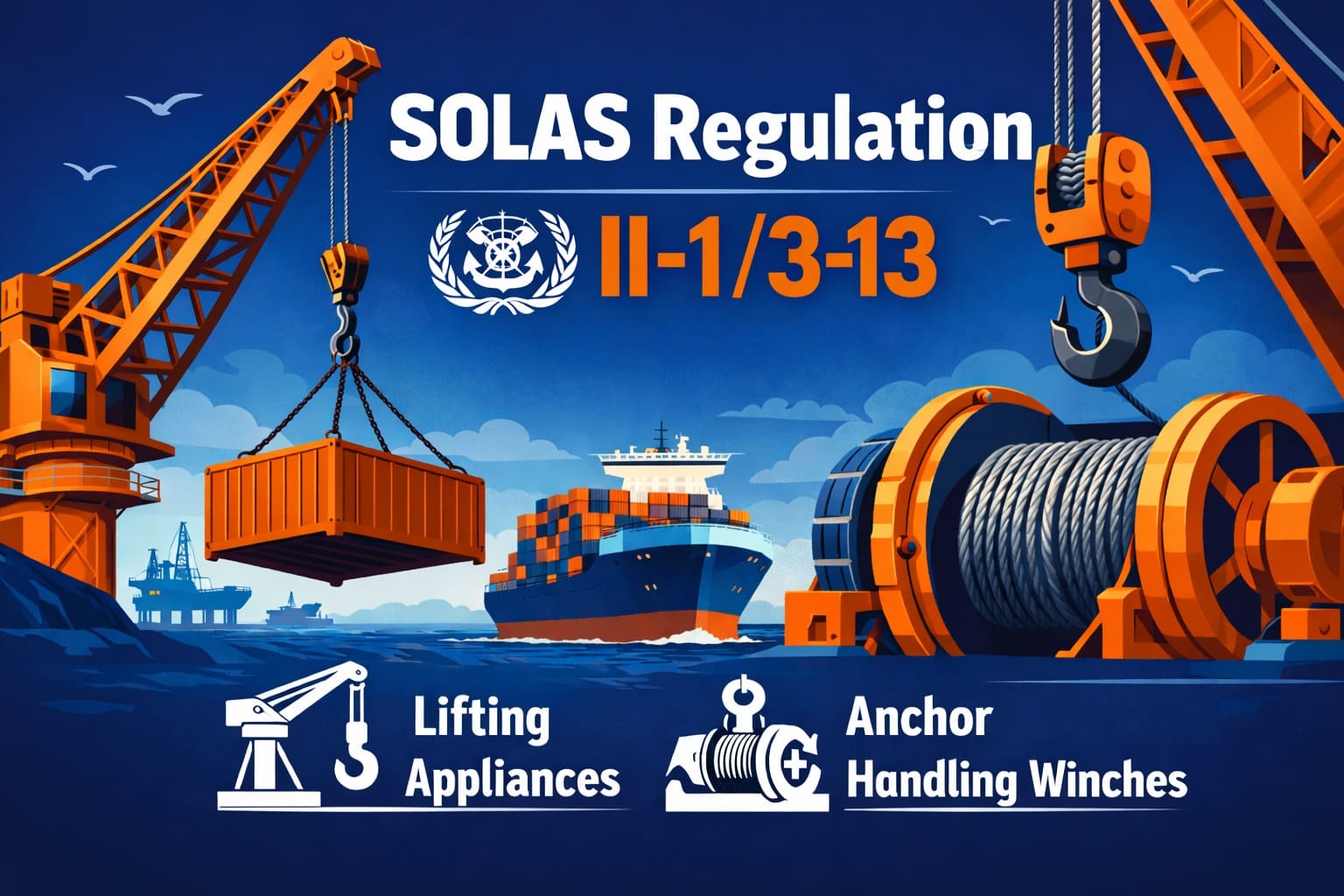
Table of Content The International Convention for the Safety of Life at Sea (SOLAS) has long been the cornerstone of maritime safety, preventing accidents and ensuring safety of life at sea. It has introduced and adopted several circulars and regulations to ensure vessels, crews, and passengers operate and function under high safety standards. SOLAS has … Read more
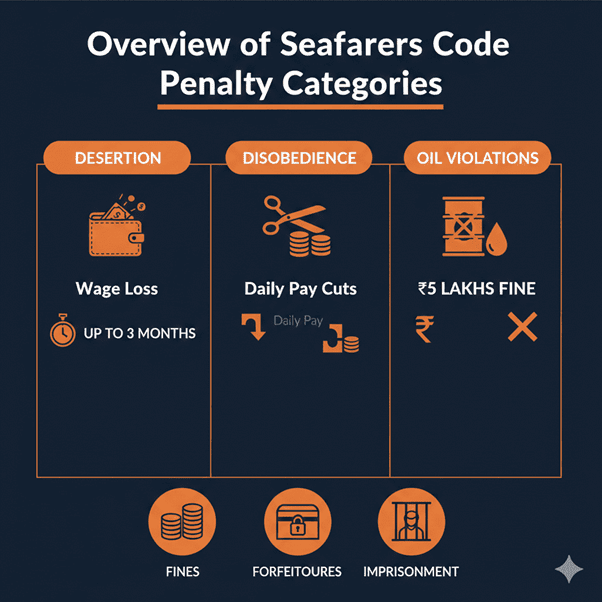
Financial penalties under the Seafarers Code, enforced by India’s Directorate General of Shipping (DG Shipping), target misconduct like desertion and disobedience to ensure maritime safety and compliance. These rules, rooted in the Merchant Shipping Act and recent DGS orders, impose fines, wage forfeitures, and more on seafarers and shipmasters. Understanding them helps avoid career-ending sanctions. … Read more
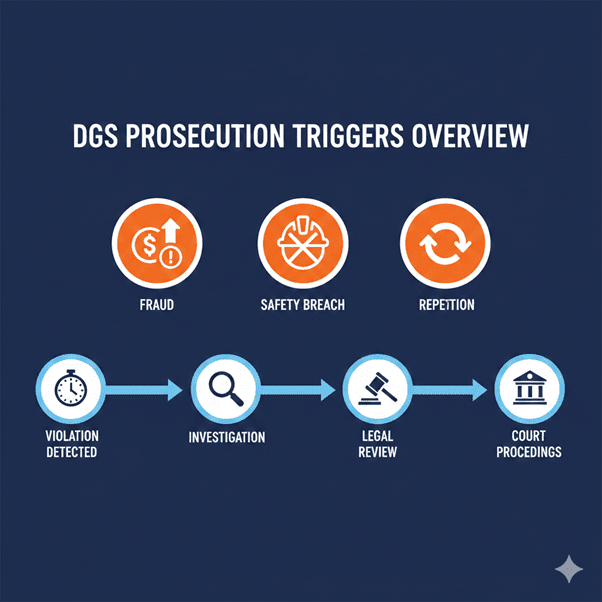
DGS recommends judicial prosecution in serious seafarers’ code violations that threaten safety or involve fraud. This step follows administrative actions when offences warrant court involvement under the Merchant Shipping Act. Seafarers and RPSLs must understand these triggers to stay compliant. What Is Judicial Prosecution by DGS? Judicial prosecution by DGS means sending serious cases to … Read more
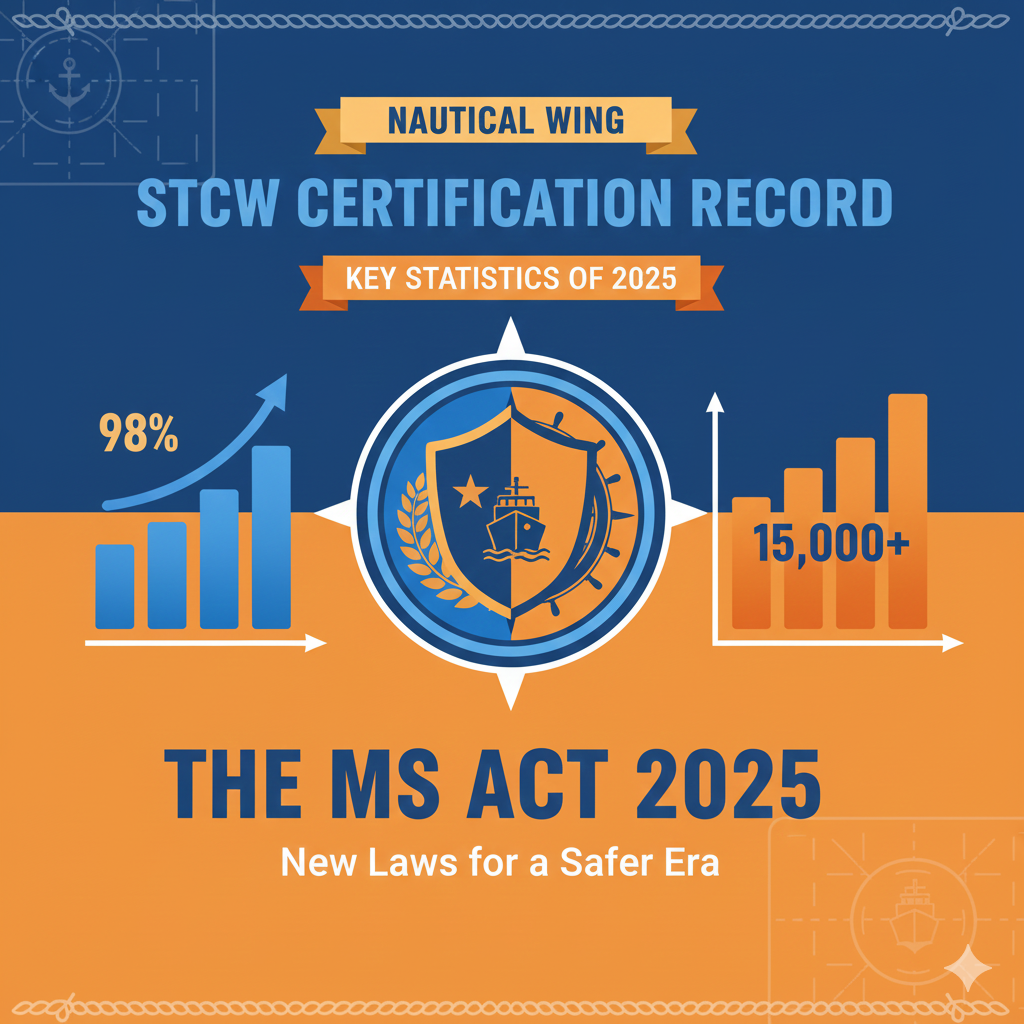
An easy breakdown of India’s STCW certification statistics for 2025, covering officer licenses, safety training, maritime trends and its impact on you.
A simplified explanation of the MS, Act 2025 covering vessel safety and security, seaworthiness, certification, reporting, & international compliance.
Maritime operations inside port waters are often considered routine. However, recent incidents like tug and crane accidents have proven that even short-duration assistance operations, if poorly planned, can quickly turn into serious marine accidents. One such case is the capsizing of a tug during clearance of a fouled anchor cable in port waters, which offers … Read more