
Table of Contents
Introduction
India’s expanding maritime trade has increased the vessel traffic, cargo volumes, elevated navigational risks and need for sea-going emergency tugs along its coastline. Despite this growth and availability of maritime salvage systems and ETVs (emergency towing vessel) capabilities remain limited and constrained.
To tackle this, the directorate general of shipping has issued a merchant shipping notice on 10th of October 2025. The notice discusses the challenges faced by coastlines regarding emergencies and accidents, the urgent need for action, measures for compliance along with the costs, insurance and financial guidelines to implement the new rules through verified and monitored process.
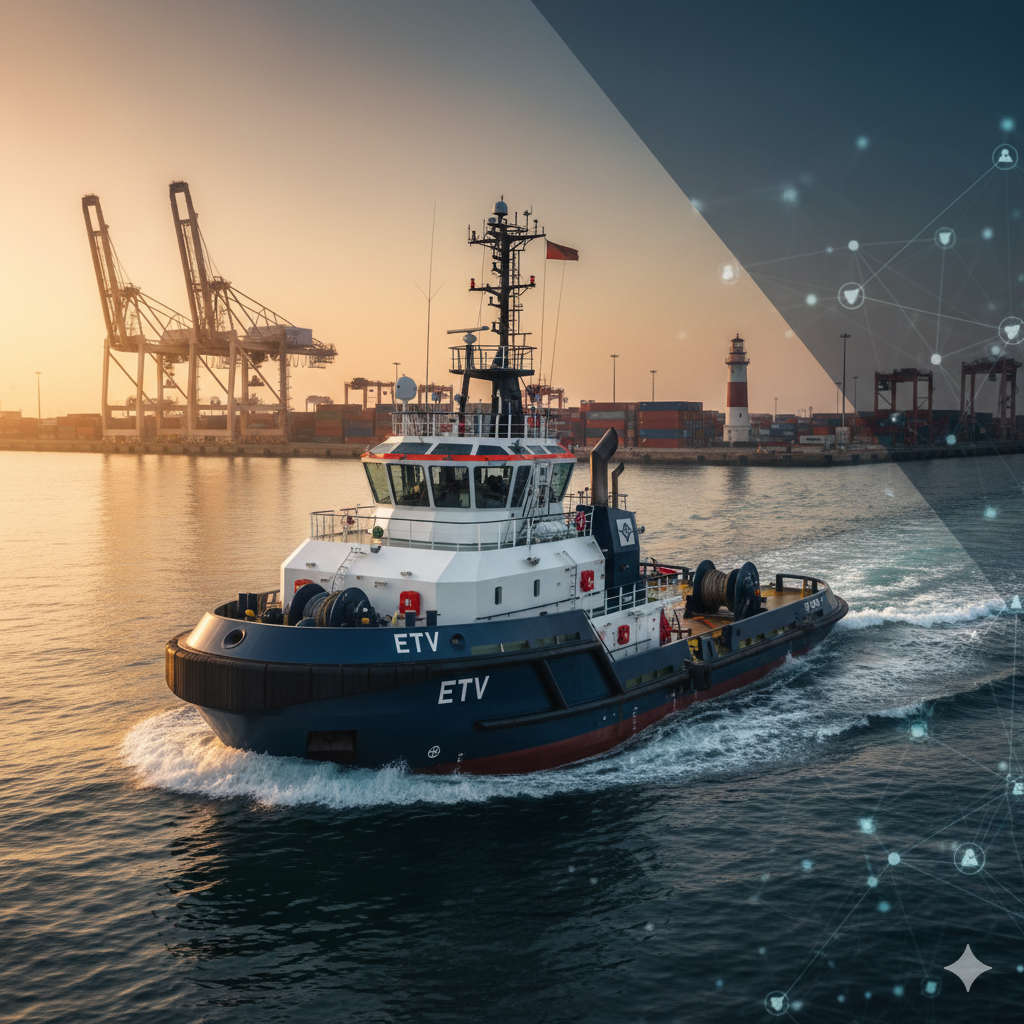
India currently has two sea-going Emergency towing vessel one each based at Mumbai and Chennai. Positioned by the DG shipping in agreement with Mumbai port authority and Chennai port authority these tugs usually are deployed as harbor tugs throughout the year to perform day to day functions of berthing/unberthing.
However, in emergency situations the directorate orders deployment of emergency towing vessels to the incident to perform duties as per the instructions of the On-Scene commander, Indian coast guard. While these vessels serve as important national resources, their geographical limitations frequently result in delayed responses and more preventable damage in regions beyond their immediate operational range.
Along with this new initiative explored below, DGS has also taken a step towards taking strict action against forged CDC (Continuous Discharge Certificates) entries into the Indian maritime Industry which prevents fake entries and unskilled services from entering the ports.
Challenges and needs for quick deployment of ETVs
Due to the vulnerabilities of the emergency response framework at Indian ports, the coastlines have had to see significant preventable accidents happening and causing harm. Several incidents of fire, machinery failure, grounding etc., occurred around the Indian Coast year after year, especially during the monsoon seasons. The most notable & recent incidents are:
- The sinking of container ship MSC ELSA 3 in May 2025
- Major fire and explosion of container ship WAN HAI 503 in June 2025, off the coast of Kerala. Which led to falling of several containers in waters and the release of hazardous cargo and significant environmental risk.
All of which could be prevented through proper systems and deployment of emergency tugs, if placed at the coasts in advance. Hence, the need for Emergency towing vessels is more crucial than ever.
In MS act 2025 it is stated that, the ship owner/master, seafarers of concerned vessels would be the primary response party when notified by the Central Government to engage in maritime emergency response. These parties will be required to comply with all directions, advisories or instructions issued by the nodal authority for the respective class of marine incidents.
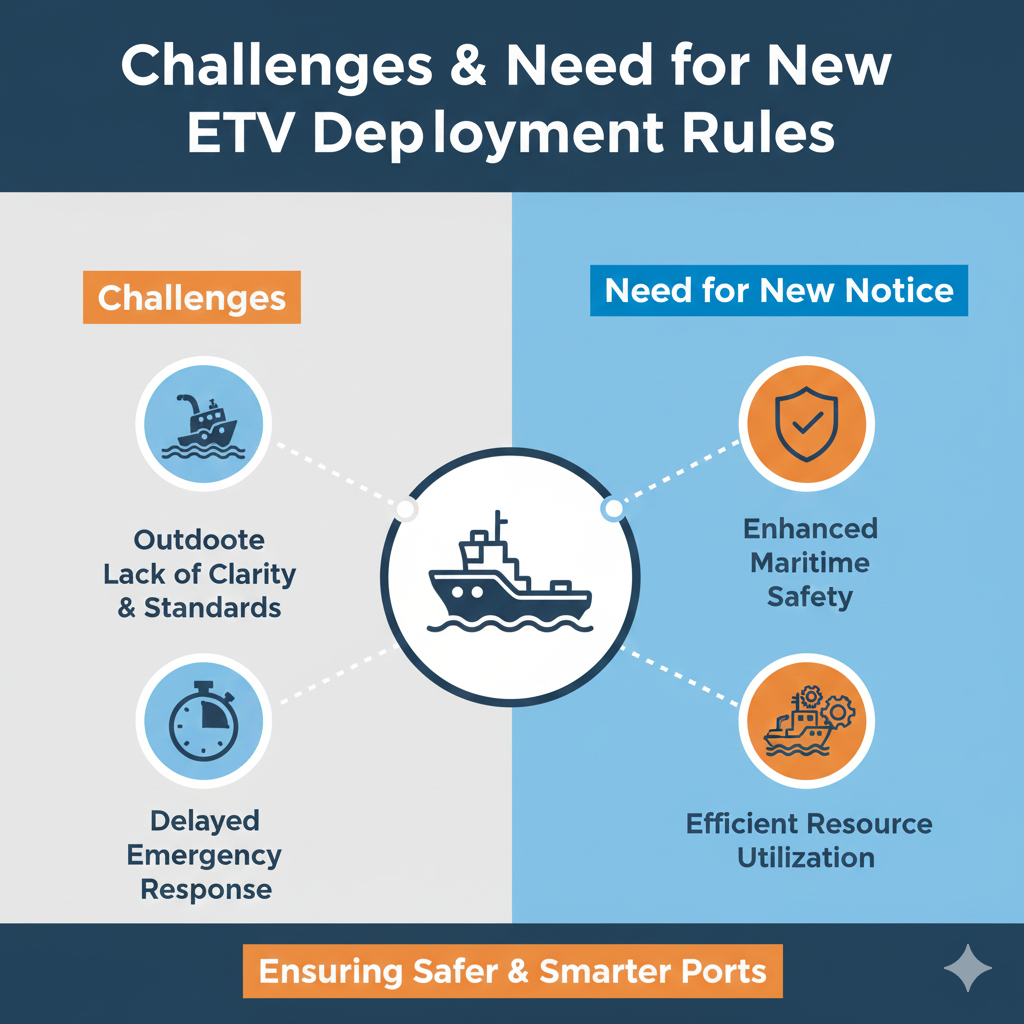
Though owners, masters and seafarers on board remain a primary response party for any incident, the recent few emergencies have had the Coast guards and Indian Navy perform the role of first responders to protect the Indian coast and to prevent any damage to the marine environment. At the time of emergencies the delayed responses and non availability of suitable tugs for emergency towing have led to catastrophe and the failure to assist Indian navy and coast guards who served as the first responders.
These incidents have been a great case of learning for the DG shipping, and the accidents and harm highlight the urgent need for Indian ports to maintain tugs with sea going and fire-fighting capabilities for emergency response that can be deployed swiftly to complement the efforts of national ETVs or the Indian Coast Guard. Such tugs can function as an immediate first line of response until professional salvors and specialized resources are fully mobilized.
Measures for compliance
With the challenges and urgent need as mentioned above and to meet the requirements of Central/State/District/Port Disaster Management, the Directorate General of Shipping in accordance to the Merchant Shipping Act 2025:
- Mandates that all Indian ports whether Major or Non major, Public or Private handling 10 million metric tonnes (MMT) or more of cargo annually and/or maintaining a fleet of three or more tugs of bollard pull higher than 45MT for port operations shall designate at least one sea-going tug for emergency response.
- Such a sea-going tug should be certified for at least Indian coastal operation and capable of emergency towing and fire-fighting.
- It is essential that harbor tugs, which lack the capabilities or specifications similar to the to the emergency tugs, are precisely prohibited from being tasked with duties expected of an Emergency Towing Vessel.
It is also very important to understand the merchant shipping act, 2025 in detail. Start with understanding the preliminary of the act and follow through the next parts step by step.
Ports usually hire these tugs for the purpose of performing duties and operations. However, this particular guideline states that each port is mandated to have at least one tug especially ready and constantly equipped to quickly respond to maritime emergencies such as towing of disabled vessels, fire-fighting and other contingencies. The equipped tugs must:
- Be able to operate for 3 to 5 days and until the ship owners are able to bring in specialized salvage tugs to do the actual work.
- Have sea-going capabilities at all times.
- Be appropriately equipped for emergency duties such as fire-fighting, towing, pollution response etc.
Crew Requirement
The said emergency tugs must follow these criteria and guidelines to ensure maximum efficiency and effectiveness of deployment when needed.
- The tug must be staffed with crew certified under Indian coastal manning rules.
- The tug will normally have lesser crew for day-to-day harbours but the port must plan to quickly bring in extra crew to meet the manning scale requirements within 12 hours of an emergency alert.
- Crew should be trained to handle bad weather and emergency operations.
- Ports can even assign experienced pilots to help crew the tug in emergencies.
The directorate general of shipping is allowed to relax on some rules for accommodation and other simple but needed requirements during the emergencies. While these rules and certificates apply for the owners and seafarers, non-seafarers like repair technicians, engineers, maritime security officers, doctors, specialists, surveyors will have to acquire a non-seafarer license to get on and sail in these ships (both emergency and normal tugs).
While DGS has the option to relax some rules, the directorate has been working on making the shipping industry more safe, secure and efficient. They have rolled out new guidelines and rules for the registration of Indian vessels and maritime administration under the merchant shipping act, 2025.
Deployment deadline & reporting
All Indian ports covered by this directive must have such a tug ready within 90 days of the notice. Ports must submit a report with; The details of the tug, its technical capabilities, crew qualifications and how it will stay ready for emergencies.
They must also submit an emergency tug deployment plan explaining the details of assignment of duties, the communication methods that will be used and standard procedures for different levels and kinds of emergencies. This plan must be included in the port disaster management plan.
Important note: The tugs are not salvage ships, they are meant to stabilize and hold the wrecked ships together until the specialized team/vessel arrives to salvage the accident. However, the availability of such tugs is vital to provide immediate support to the Indian Coast Guard and Navy.
Cost, Insurance and financial guidelines:
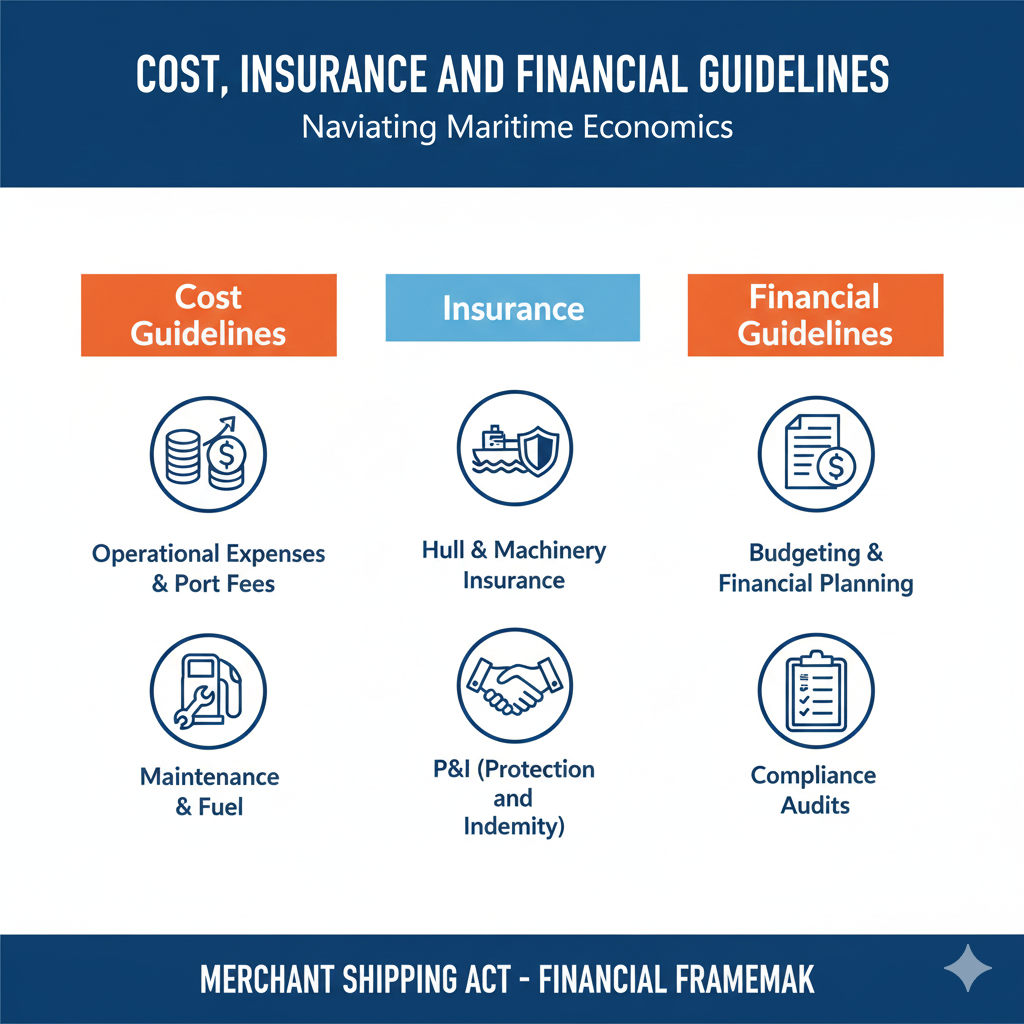
Cost – The cost of deploying such tugs shall and will be borne by the owners of the ship or the insurers of the disabled vessel, where the requirement for assistance is determined by the Indian Maritime Administration or any other authority entrusted with such responsibility. The ports are allowed to declare reasonable emergency tariffs on the said vessels and if opposed by anyone leading to dispute, the troubled can complain to the Directorate general of shipping.
Insurance – Tugs assigned for the emergency response are required to maintain a valid insurance coverage that is appropriate to the activities it undertakes at all times. The responsibility of;
- Ensuring such insurance conditions
- Initiating re evaluations of existing tender conditions or
- The process of re-tendendering for such tugs, all will be of the port authority.
If by any chance the existing tender conditions does not permit designation of any sea going tug then the port authority has the right to renew the contract with at least one tug meeting the prescribed conditions within a maximum period of 9 months or earlier in the event of renewal of tender.
Financial guidelines – The ship owner will bear all the costs of the tugging and when a tug is officially acting as an ETV, the hire payment must include the extra compensation for the additional equipment and modifications, extra crew, higher insurance requirements and any other costs caused by emergency deployment. The tug owner must have full p&l insurance and any other needed protections to cover claims or damages from doing emergency towing work.
The tug cannot be considered off hire/not paid during the emergency period. This includes the time required to repair damage caused while doing the emergency job. These are the guidelines for ship owners but there’s also different guidelines by DGS for their partners in safety; for salvors and salvage firms. The main ones to learn about would be the criteria for empanelment and retention of salvors by Dg shipping.
Verification and monitoring
To ensure the safe, secure and effective implementation of the new rules, the directorate is required to monitor the ports for compliance with the specified requirements during the annual ISPS audits and NSPC inspections.
All the ports are advised to treat this mandate as an essential safety obligation as part of disaster management, and not as a procedural formality since the safety of shipping, seafarers, cargo, and coastal communities depends on the availability of capable response assets around the Indian Coast on time.
This initiative by the directorate aims to form a part of India’s broader strategy to modernize and decentralize its safety systems and equipment. This will help the sea-going vessels and the industry to move through a much easier and safer shipping process.
Guide table: Recommended technical specification for Ocean Going Tugs to perform the function of Emergency Towing.
| SL.NO | CRITERIA | Recommended Specification for Ocean Going Tugs |
| a. | Age | Age of the vessel should not be more than the norms prescribed by the Govt. |
| b. | Bollord pull | 45 T or more |
| c. | Method of propulsion | Method of Propulsion: Azimuth stern Drive (ASD) or Tractor/Reverse tractor of cycloidal or steerable rudder propulsion system or VOITH. |
| d. | Crane | Around 0.8-1.0 T SWL |
| e. | Towing | Towing gear arrangement with accessories. Length of towing wire should be at least 600 mtrs and Breaking strength should be proportionate (at least 3 times) to the bollard pull (45T) (MSC 884 ‘General formulation for the towline’, Clause 12.9) |
| f. | Hawsers | Hawsers of adequate size i.e. not less 56 mm diameter and the length to not be less than 180 mtrs. (Or) 2 hawsers of 110 mtrs length with connection |
| g. | Space | The area of the deck working space shall be not less than 70 sq.mtr. |
| h. | Fire-fighting class | 1 not less than 2400 m3/hr. |
| i. | Length O.A | Maximum 35 Meters |
| j. | Breadth and depth | (i) Breadth range – 8 to 16 Meter. (ii) Moulded depth – maximum limit or range 5 to 6 mtr. |
| k. | Draft | Operation Draft not more than 5.5 meters |
| l. | Lifesaving equipments | Lifesaving equipment/survival kit and first aid material with Neil Robertson stretcher as per statutory requirement for her size and operation. |
| m. | Class | IACS member |
| n. | Endurance | Vessel should have endurance for at least 10 days RTB (Return to Base) for replenishment of fresh water, provision, manning, etc. |
| o. | Speed | 10-12 kts |
FAQs
What is an ETV?
An Emergency Towing Vessel (ETV) is a multi-purpose boat used by state authorities to tow disabled vessels on high seas. The primary purpose of an ETV is to prevent dangers to life and the environment by towing disabled vessels to a safe haven or keeping them in place until commercial assistance by tug boats arrives or the vessel is repaired to the extent of being able to maneuver on its own.
Is an ETV the same as a Salvage ship?
No, the tugs are not salvage ships, they are meant to stabilize and hold the wrecked ships together until the specialized team/vessel arrives to salvage the accident. However, the availability of such tugs is vital to provide immediate support to the Indian Coast Guard and Navy.
Can regular doctors work long term with DG shipping if the non-seafarer license is acquired?
No, but Doctors can separately get direct approval from Dg shipping to be an actual doctor at sea long term and work for the vessels.
What are ISPS audits and NSPC inspections?
ISPS audits and NSPC inspections are critical for ensuring compliance with international maritime regulations and maintaining safety standards. These audits assess a vessel’s adherence to safety, security, and environmental regulations, and are essential for avoiding potential detentions and ensuring operational efficiency.
What’s the deadline to comply with this order?
All Indian ports covered by this directive must have such a tug ready within 90 days of the notice; meaning 60 days from the 10th of October 2025. Ports must submit a report with; The details of the tug, its technical capabilities, crew qualifications and how it will stay ready for emergencies.